

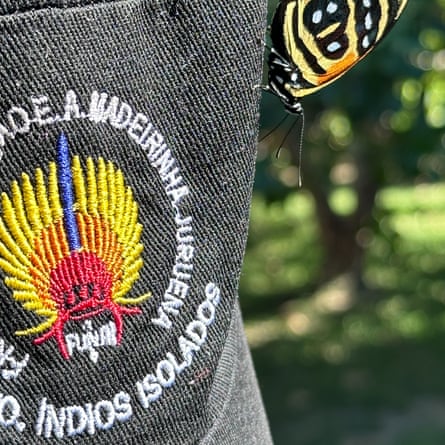
In 2024, specialists from the government institution for Indigenous peoples trekked over a vast distance through untouched wilderness on the southern border of the Brazilian Amazon. Their task was to monitor and aid in safeguarding an tribe with little to no interaction with the contemporary society.
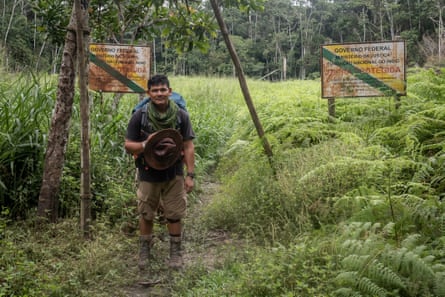
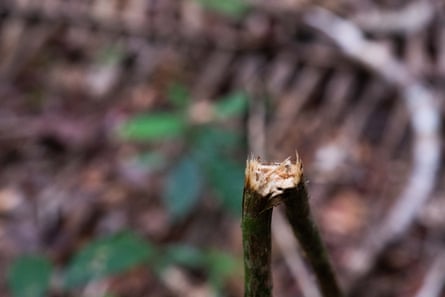
Their observations included a handcrafted item made from forest foliage, a small footprints by a riverbank, and tree trunks newly opened to gather honey. They also found former dwellings sinking into the forest and discarded brazil nut pods near previous campsites. These were all telltale indicators that the isolated tribe continued to inhabit the region.
Administrative Stalling Hinder Constitutional Protection
Despite a judicial directive mandating a safeguarding strategy for the isolated community, the national authorities has not followed through. The approved measures included accelerating the official marking of their territory and explaining forest protection strategies.
Administrative holdups, budgetary constraints, and hostile clashes—involving aggressions by individuals associated with the deforestation business—have halted the protection initiative.
Without physical boundaries, loggers and ranchers persist in advancing, leaving the Kawahiva in imminent danger of physical elimination. Advocates label the inaction a intentional and deadly violation of the country's constitution.
“The delay in land protection is not only against the law, it is also incredibly risky.”
Shrinking Wilderness
The planned vast Indigenous land has yet to receive full protection, as required by law. It is considered the largest unprotected forest in Brazil that is home to isolated tribes.
Immediately beyond the territorial limits, the view changes dramatically. The forest has been burned for ranching. Property markers are being erected, and logging tracks are extending deeper into the natural habitat.
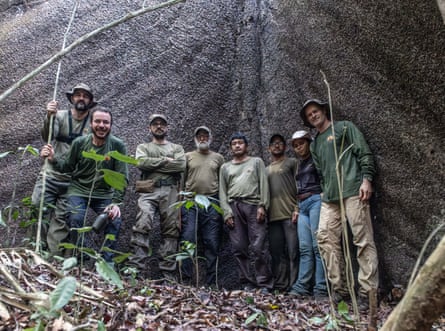
Following the expedition, a senior official for territorial protection vowed to resolve the situation. “We are employing all possible efforts to make certain that the Kawahiva land receives protection,” the official stated.
Funding Hurdles and Escalating Tensions
Physical demarcation of the 200-mile perimeter involves installing boundary posts. This is seen as a decisive step to convince loggers and farmers that the state will enforce about protection. However, the process remains stalled.
Financial resources has been a key challenge. Initial plans to use compensation funds from a highway project did not materialize. The agency has since turned to new partners.
It has now initiated a partnership with a university institute. “It’s a technical partnership that we’ve already had success with,” explained an official. “The on-ground work is planned to begin in early 2026.”
The institute acknowledged that negotiations were in late stages but did not provide a timeline.
Complicating everything is what officials term a “volatile condition in the region,” which is expected to require an security detail during any boundary marking.
Violent Opposition
The risk of attack is real. In the past, an group of invaders attacked a government base in the territory, resulting in a violent clash where one attacker was killed. Years later, security personnel were stationed in the area.
Earlier this year, an recorded message surfaced in which a man, calling himself a local leader, threatened the lead field agent. The individual, believed to be associated with local loggers, boasted to have conducted an expedition “trying to find those isolated Indians.”
He is allegedly charged with several environmental crimes, including charges related to the violent assault on the agent. “We can’t work because of this guy,” the man said in the recording.
The Political Clock
Anthropologists and rights advocates point out that it has been over two decades since the location of the isolated group was verified. “Throughout this time, illegal settlers have sought to overturn the protective measures in court,” noted one expert.
They raise a disturbing possibility: that the present holdup is a politically motivated barrier rather than a procedural one. This leads to apprehension that demarcation may not happen even in the coming year.
The electoral calendar adds urgency. Many believe that the current term represents the last chance for this territory project to be achieved, before a potential administration change could halt all Indigenous land demarcation, as occurred in the past.
The supreme court directive was the result of a case filed by a tribal rights group. The court highlighted the “danger of eradication, food insecurity, and cultural loss” facing the community.
A lawyer involved described the process as “not moving,” with the court awaiting compliance. The dangers of stalling are stark. “Furthermore, it is extremely dangerous and endangers the lives of the vulnerable tribe,” warned a representative from an campaigning body.


